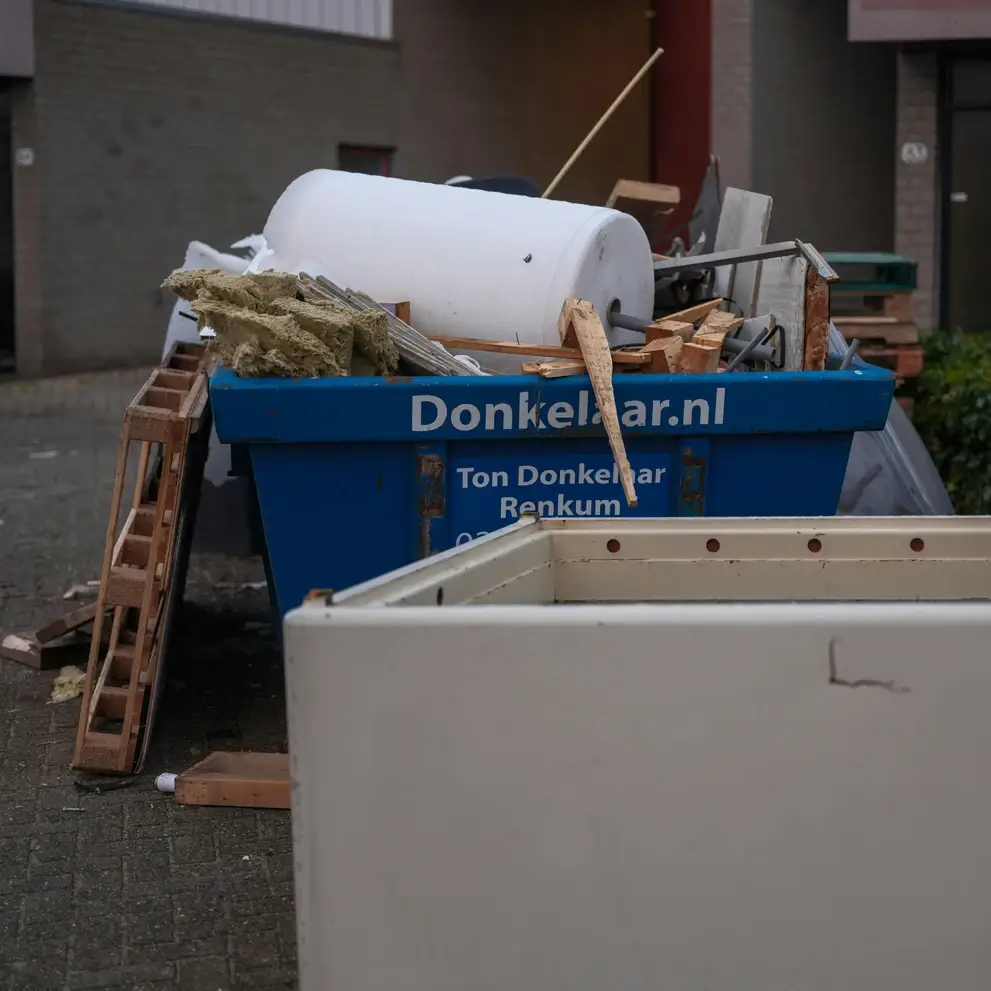
Skip Hire in Covent Garden for practical waste removal
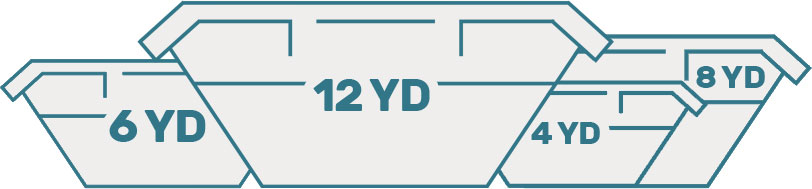
Skip hire in Covent Garden gives households, landlords, shops and contractors a straightforward way to deal with bulky waste, renovation debris and mixed non-hazardous rubbish. Our service is designed around clear load sizes, sensible collection arrangements and a simple booking process, so customers can choose a skip that suits the work rather than over-ordering. Whether the job involves a flat clear-out, a retail refit or a small building project, the aim is to move waste away in an orderly, compliant way.
We provide skip hire for a range of domestic and commercial jobs, with options that suit time-sensitive clearances, planned works and regular waste removal. The right choice depends on the type of material, the amount to be removed and the available access at the property or worksite. If you already know the rough volume, that helps narrow the choice; if not, the service pages below explain the differences between common skip types and related collection methods. Start with the main job, then match the container to it.
For many customers, the key decision is not simply the size of the skip but how the waste will be loaded and where the container can safely sit. Narrow streets, shared entrances and limited parking can all influence the most suitable arrangement. When you are ready, use the service pages to compare options and ask for a quotation in the way that best fits the project.
Choosing the right skip size and service
Matching the skip to the job helps keep disposal efficient and avoids unnecessary disruption. Smaller domestic clearances may only need a compact option, while bathroom refits, kitchen replacements and multi-room refurbishments often call for a larger container or a different collection method. Our service pages explain the usual uses for each option, making it easier to judge whether you need a short-term hire, a standard skip, or a more specialised waste solution.
For customers comparing options, it can help to think in terms of material type as well as quantity. Heavy rubble, soil and mixed demolition waste behave differently from light bulky items such as timber, packaging or old fixtures. A well-chosen service keeps the load manageable and supports better use of space. If you are unsure where your project fits, the available pages give a clearer view of what each service is intended to handle.
- Domestic clear-outs and household refits
- Builders’ waste and mixed renovation debris
- Office, shop and storage clearances
- Garden materials, soil and green waste
- Specialist collection for restricted or difficult loads
Domestic skip hire for homes and flats
Domestic skip hire is often used for decluttering, moving home, replacing furnishings or clearing waste after decorating. In homes and flats, the practical question is usually how much can be removed without taking up more space than necessary. A smaller skip may suit a single-room project, while a larger one can be appropriate for a staged clear-out. The service is most useful when the waste is varied but non-hazardous, and when a tidy, scheduled collection is preferable to repeated trips to a tip.
Where access is limited, it may also be worth comparing domestic skip hire with alternatives such as wait and load skip hire or a direct collection service. These options can help when a container cannot be left in place for long or when space on the road is at a premium. The best fit depends on loading speed, access and the amount of material involved, so it is sensible to weigh convenience against the practical layout of the property.
Common domestic jobs include loft clearances, garage tidy-ups, old furniture disposal and waste from light DIY work. A careful approach to loading can make a large difference: flatter items should be placed first where possible, and mixed waste should be arranged to use the available volume evenly. This keeps the process efficient without needing to overstate what the container can hold.
Builders’ and construction waste removal
Builders’ waste removal is a core part of the service for renovation, repair and construction work. It covers debris such as timber offcuts, plaster, packaging, broken fittings and general site waste, subject to the relevant acceptance rules. The work is usually about keeping a site clear enough for trades to move safely and for different stages of a project to continue without clutter building up around access routes, entrances or storage areas.
For heavier or denser waste streams, it can be useful to compare standard hire with builders skip hire or the broader construction waste disposal options. These pages are helpful where the material comes from strip-out, fit-out or structural work and where the shape of the load matters as much as the total volume. The right decision depends on the mix of waste, the pace of the project and whether the site needs a single container or a recurring disposal arrangement.
In this kind of work, planning can reduce delays. A clear list of material types, the approximate quantity and any access limitations makes it easier to choose the most suitable service. That is especially useful when the job generates both bulky items and finer debris, as the loading pattern can influence how efficiently the container is used. A well-matched service keeps the process practical from first collection to final removal.
Specialist services for access, containment and site control
Some projects need more than a standard open skip. Tight streets, busy forecourts, shared entrances and sites with restricted loading windows may call for a more controlled approach. In those cases, the service can be shaped around access conditions rather than only the size of the load. That may mean considering a container that is easier to place, a collection method that limits waiting time, or a site-based arrangement that keeps waste moving without blocking work.
Where security or weather protection is important, an enclosed solution may be more suitable than a standard open container. You can also compare enclosed and lockable skip hire with general skip hire if the waste needs to stay contained for longer periods or if the materials are lightweight enough to be affected by wind. For very large or awkward loads, a different collection method may be preferable, and the site-specific pages explain those choices in plain terms.
Useful planning points: think about gate widths, turning room, loading height and whether the waste needs to be kept under cover. If the project is moving quickly, it is sensible to set out the type of material early and decide how the waste will be presented for collection. Good access planning often saves time later.
Garden waste, household items and mixed clearances

Not every job is a building project. Garden waste removal, loft and garage clear-outs, and household item disposal often sit alongside skip hire because they create mixed loads that are awkward to move in smaller vehicles. Green waste, broken outdoor items, old shelving and packaging can usually be dealt with together if they fall within the accepted waste categories. The service is useful when a one-off clearance is more efficient than arranging separate journeys for each item type.
For larger domestic jobs, the available service pages can help you compare garden waste removal, garage and loft clearance and house clearance. Each has a slightly different purpose: one may suit cuttings and soil, another may be better for stored belongings, and another may fit broader property clearances. Reading those options side by side makes it easier to choose a service that matches the waste rather than forcing the waste to fit a single method.
When items are a mix of reusable-looking goods, bulky refuse and broken materials, it helps to group the load before collection. Separate fragile items, check for any restricted materials and keep a note of anything unusual. That way, the quotation request is clearer and the collection itself is easier to organise. The service is intended to remove waste, not to complicate the job with avoidable sorting at the last minute.
Commercial and trade waste solutions
Commercial customers often need waste removed in a way that fits trading hours, building schedules or a changing workload. Shops, offices and contractors can all benefit from a planned disposal service that keeps clutter under control without interrupting the day-to-day running of the premises. The main focus is usually consistency: waste should move out in sensible batches, with the service aligned to the pace of the project or the business.
For business sites, it may be helpful to compare commercial skip hire with office clearance and site clearance. These pages reflect different working environments, from office refits to larger worksites, and they can help clarify whether a skip, a clearance team or a site-based collection setup is the most practical choice. The best option depends on the amount of waste, access to the premises and how often disposal needs to take place.
Commercial waste planning works best when material streams are identified early. Cardboard, packaging, display items, shelving, renovation debris and routine clear-outs each create slightly different disposal needs. A clear description of the load helps set expectations and supports a more accurate quotation. It also makes it easier to decide whether a standard skip is enough or whether the business would benefit from another collection method.
About Covent Garden
Covent Garden is one of central London’s most recognisable districts, situated in the West End and associated with a long history of commerce, performance and urban change. Its name originally referred to the convent garden of Westminster Abbey, and the area later became closely linked with the great market established in the seventeenth century. Over time, the market site evolved into a major destination for shopping, dining and street performance, while the wider district retained a mix of historic streets, theatres and busy pedestrian spaces. The area sits close to important routes and landmarks including the Strand, the Royal Opera House and Leicester Square, which helps give it a dense urban character. Many of its buildings reflect layers of change, from older terraces and converted market structures to later commercial frontages and cultural venues. Covent Garden’s street pattern and public spaces make it a place of constant movement, with arcades, squares and lanes that link different parts of the district. That combination of heritage architecture, theatre life and retail activity gives the area a distinctive identity within central London, and its history remains visible in both the surviving buildings and the way the streets are used today.
Skip permits, access and local restrictions
In a central area, practical details matter as much as the waste itself. Skip placement, loading access and any requirement for a permit can all affect the most suitable arrangement. The right choice depends on where the container will sit, whether it can be placed on private land and how long it will need to remain in position. Customers who understand those constraints early are usually better able to avoid hold-ups and choose a service that fits the setting.
For streets or properties where roadside placement is the only realistic option, it can be worth reviewing skip permits alongside the main hire option. That gives a clearer picture of what is allowed and what needs to be arranged before delivery. Where speed is important and the waste can be loaded quickly, a different approach may work better, so it is sensible to compare the practical options rather than assume every job needs the same setup.
When preparing an enquiry: note the likely dates, the waste type, the approximate volume and any access limitations such as narrow entry points or limited parking. If you already know whether the load includes heavy rubble, mixed renovation waste or general household items, include that too. Clear information leads to a more suitable quotation. Get in touch if you would like to discuss the best way to handle your waste removal.
Pricing factors, recycling and accepted waste

Pricing for skip hire is usually shaped by the size of the container, the type of waste, the collection method and any access or permit considerations. Heavier or more specialised loads may require a different arrangement from a straightforward mixed-waste job. Rather than assuming one price fits every project, it is better to match the service to the actual work. That approach helps keep the quotation relevant and avoids paying for capacity that is not needed.
To understand what can go in a skip, it is worth reviewing the guidance on what can go in a skip. That page helps set expectations around ordinary non-hazardous waste, while the recycling and disposal pages give further detail about handling materials responsibly. Where waste needs extra care, specialist services may be more appropriate than a general skip, especially for items that are restricted or require separate treatment.
Responsible sorting and recovery play an important part in modern waste handling. If you want to explore how materials are processed after collection, waste recycling services and recycling and sustainability provide a useful overview. They help customers see the difference between simply removing waste and making sure reusable material is handled with care. That is particularly useful for businesses and homeowners who want a clearer view of how disposal choices are made.
Quotation options and ways to book
When you are ready to move forward, the simplest route is to compare the relevant service pages and send the details that describe your job most clearly. For a skip hire quotation, the key information is usually the location, the type of waste, the amount involved and whether the container must sit on private land or public highway. If the job is commercial, it can also help to explain whether the waste is a one-off clearance or part of an ongoing project.
Use the support pages to narrow your choice if the job is not straightforward. Pricing and quotes is a sensible next step when you want to understand how the service is estimated, while book online may suit customers who already know which option they need. If you prefer to compare collections first, the service pages above give you a structured way to decide before making contact. A short, accurate request is usually the most efficient place to start.
Request a quotation today. If you have waste to remove in Covent Garden, choose the service that fits the job and send through the details for a clear response. Whether you need domestic skip hire, builders’ waste removal or a more specialised collection, we can help you take the next practical step.
Further support for property clear-outs and specialist loads

Some jobs do not fit neatly into one category, particularly where a property is being emptied or a mix of waste types has built up over time. In those cases, the service can be matched more closely to the load by looking at related options such as mattress and sofa disposal, fridge and appliance removal and rubbish removal. These pages can help separate bulky household items from general waste and make it easier to decide which route is most practical.
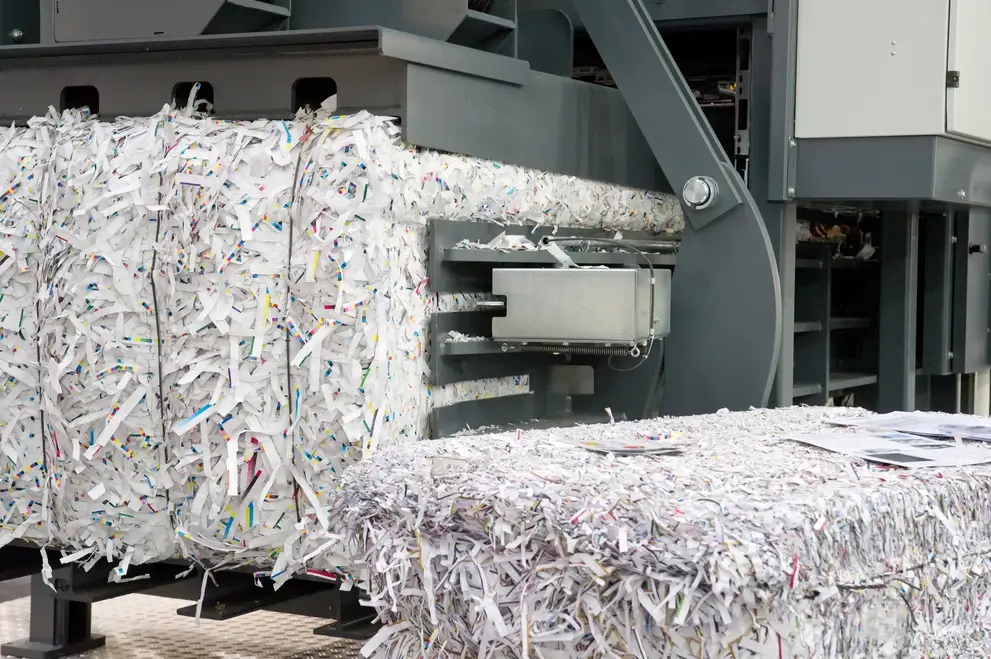
There are also situations where a more specific service is better than a general skip. For example, hazardous waste disposal covers materials that need separate handling, while confidential shredding supports the secure disposal of sensitive paper records. If your project involves unusual materials, it is better to identify them early so the right disposal method can be chosen from the start.
For customers balancing storage, access and time, a combined approach can sometimes work best. A skip may suit the main waste stream, while a second service can handle items that should not be mixed in with the rest. That keeps the process orderly and helps ensure the waste is dealt with in the right way. Speak to us when you are ready to plan the collection.